Best Water Temperatures To Catch Marlins in Cabo San Lucas And What They Eat

Best Water Temperatures To Catch Marlins in Cabo San Lucas And What They Eat

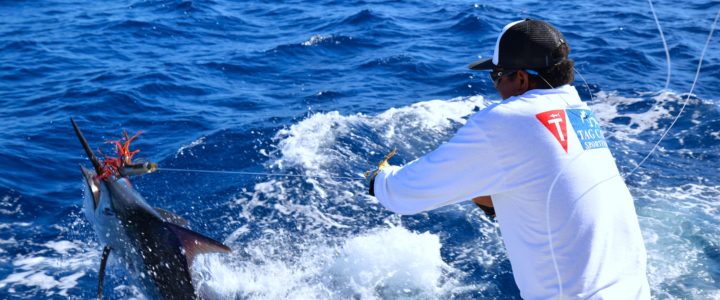
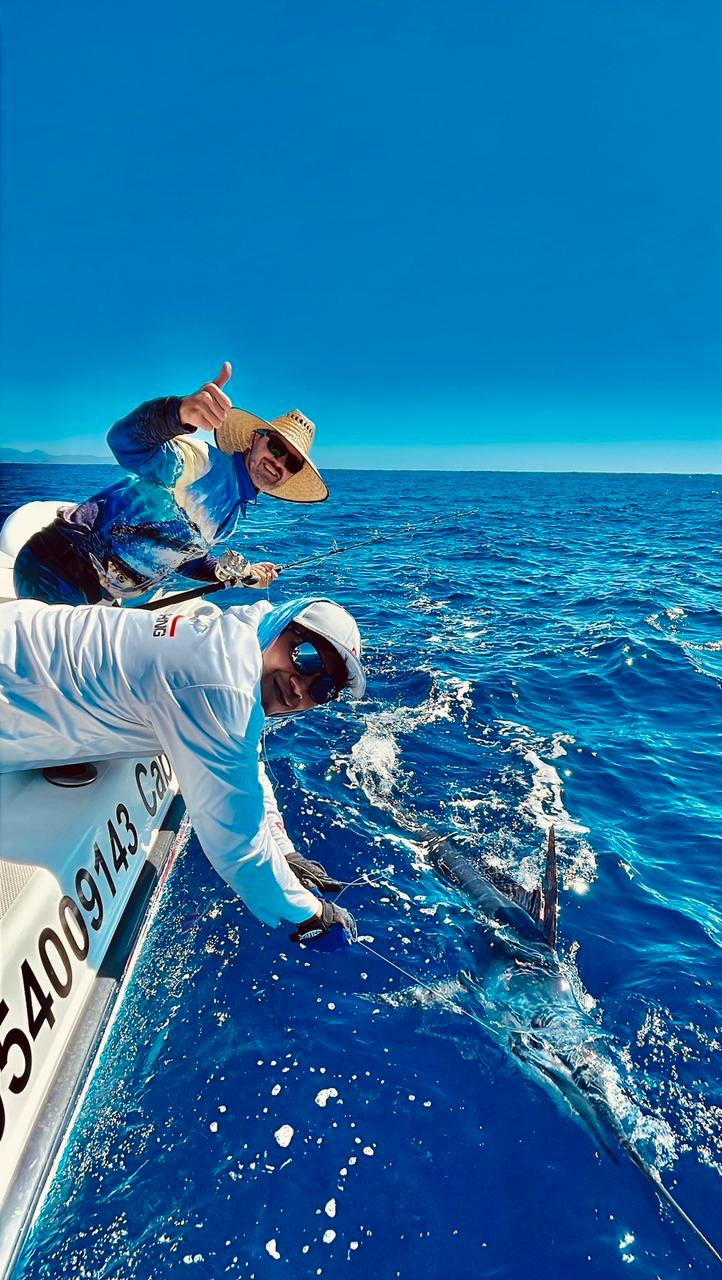
Cabo San Lucas, located on the southern tip of Mexico’s Baja California peninsula, is a world-renowned fishing destination known for its abundant marine life and stunning scenery. Three of the most prized game fish found in the region are the striped marlin, black marlin, and blue marlin. Understanding the ideal water temperature and what these fish eat is critical for any angler hoping to land one of these prized fish.

Best Water Temperatures To Catch Marlins in Cabo San Lucas And What They Eat

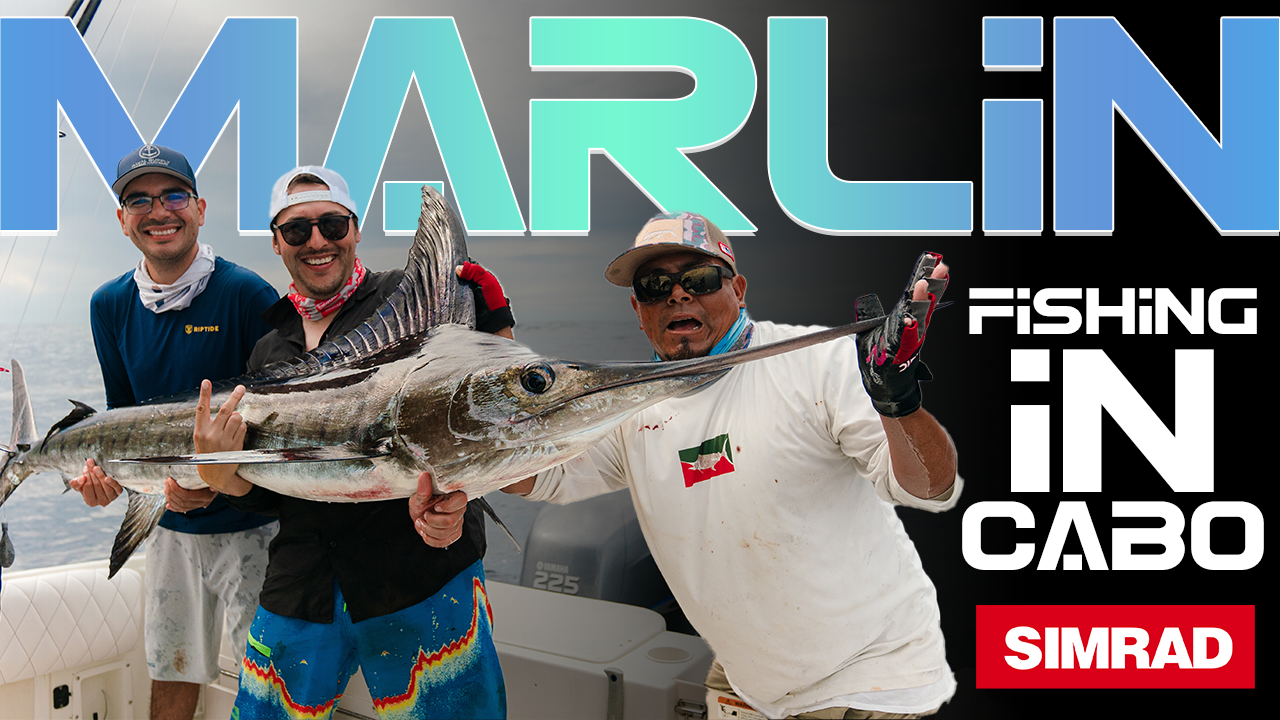
Striped marlins are typically found in tropical and subtropical waters and are most commonly caught off the coast of Cabo San Lucas between the months of November and March. During this time, the water temperatures in the region are usually in the range of 70-75 degrees Fahrenheit, which is considered to be the perfect temperature for finding striped marlins. When the water temperature is within this range, striped marlins are more active and will be more likely to chase baitfish, making them easier to catch. Striped marlins are known to congregate in large numbers during this time of year, so anglers who target this species during the winter months will have a good chance of hooking a trophy-sized fish.
Best Water Temperatures To Catch Marlins in Cabo San Lucas And What They Eat

Black marlins are typically found in warmer waters, and the ideal water temperature range for finding black marlins in Cabo San Lucas is between 75-85 degrees Fahrenheit. Black marlins are known for their incredible size and strength, and they can be found offshore throughout the year. During the summer months, when water temperatures are in the higher range, black marlins are more active and will be more likely to feed. Black marlins primarily feed on a variety of baitfish, including mackerel, bonito, and squid.

Blue marlins are also typically found in warm waters, and the ideal water temperature range for finding blue marlins in Cabo San Lucas is between 75-85 degrees Fahrenheit. Blue marlins are known for their incredible size and speed, and they can be found offshore throughout the year. Like black marlins, blue marlins are more active during the summer months when water temperatures are in the higher range. Blue marlins primarily feed on larger baitfish such as tuna, mackerel, and squid.

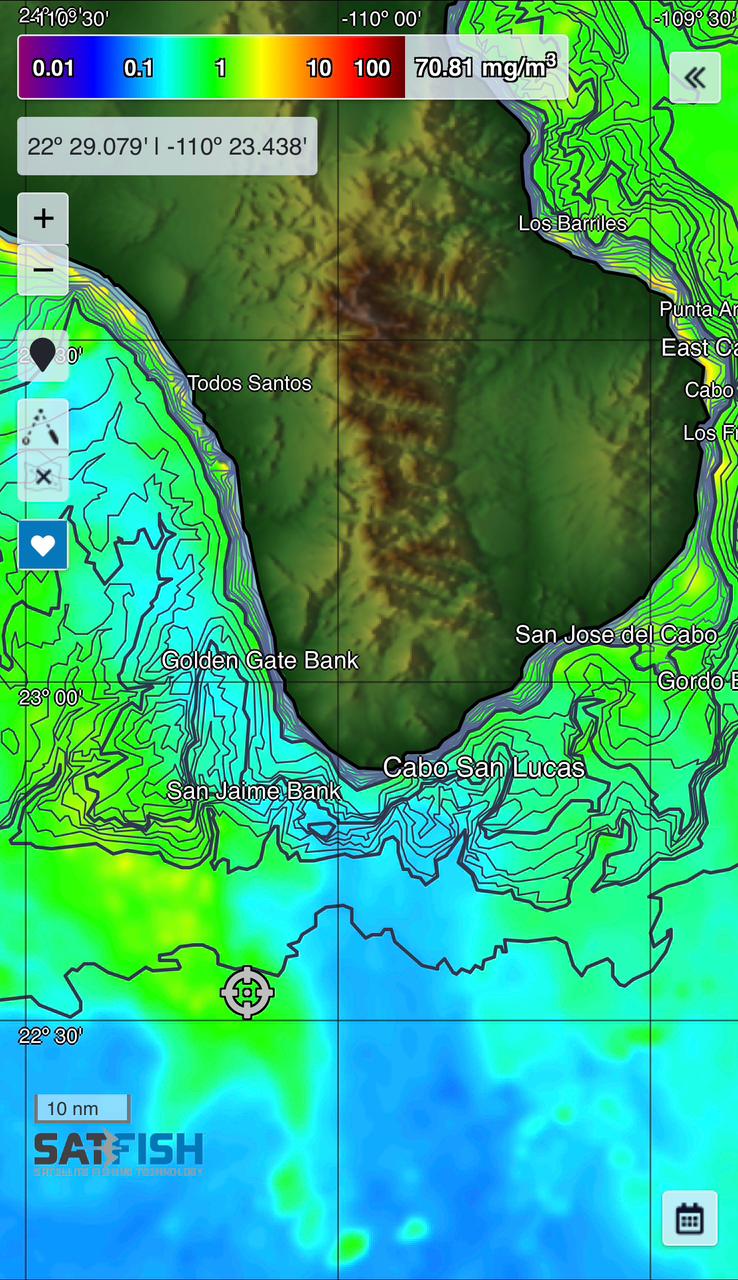
If you’re an angler looking for a reliable and accurate way to track water temperatures for fishing, SatFish is a tool you should definitely consider. SatFish is a web-based service that provides real-time satellite images and sea surface temperature data for various fishing locations around the world. This service is especially useful for anglers looking to target specific species of fish that have particular temperature preferences.
Best Water Temperatures To Catch Marlins in Cabo San Lucas And What They Eat

In addition to water temperature and food sources, other environmental factors can also play a significant role in the behavior of marlins. Factors such as water clarity, baitfish concentrations, and ocean currents can all affect the movement patterns of marlins, and skilled anglers will need to take these factors into account when planning their fishing strategy.

Anglers looking to find marlins in Cabo San Lucas should also consider hiring a local guide or charter service with experienced captains who are familiar with the local waters and fishing conditions. These guides will have the expertise and knowledge to help anglers locate the best fishing spots and increase their chances of success.

In conclusion, understanding the ideal water temperatures and what these fish eat is critical for any angler hoping to land a striped marlin, black marlin, or blue marlin in Cabo San Lucas. With the right water temperatures and knowledge of their preferred food sources, anglers can increase their chances of success and enjoy an unforgettable fishing experience in one of the world’s premier fishing destinations.

If you’re looking for an unforgettable fishing experience in Cabo San Lucas, look no further than TAG Cabo Sportfishing. With our experienced captains and top-of-the-line equipment, we’ll help you make the most of your fishing trip and increase your chances of landing that trophy fish. And with our knowledge of the latest chlorophyll charts, we can take you to the areas of the water that are likely to hold the biggest and most active fish. So if you’re ready to experience the thrill of big game fishing in Cabo San Lucas, give us a call and book your trip today! tagsportfishing@gmail.com


The right way to read the chlorophyll charts to improve your fishing game

The right way to read the chlorophyll charts to improve your fishing game

The right way to read the chlorophyll charts

The right way to reed the chlorophyll charts

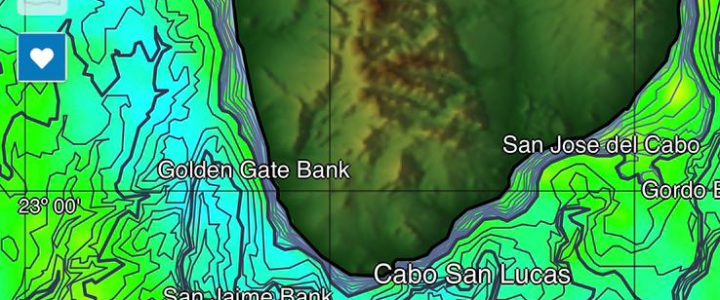
Chlorophyll charts such as SATFISH provide valuable information for anglers looking to find areas of the water that have higher concentrations of food sources, such as plankton or baitfish, which can in turn attract larger predator fish. Reading chlorophyll charts can be a bit challenging for those who are unfamiliar with them, but with a bit of practice, it’s possible to learn how to interpret these charts effectively. Here are some tips on how to read chlorophyll charts: 

GET $20 USD DISCOUNT ON YOUR NEW SUBSCRIPTION PROMO CODE TAGCABO  SatFish

  1. Understand the color scale: The colors on Satfish’s chloro charts show how much chlorophyll is in the water. Red colors on the chart mean lots of chlorophyll, and blue and purple colors mean very little chlorophyll is present. Chlorophyll is measured on a logarithmic scale, but just remember that more chlorophyll (yellow, orange, and red colors on the chart) means more plankton and therefore greener water.
  2. Identify areas with high chlorophyll concentrations: Look for areas on the chart that have darker red colors or patterns. These areas are likely to have higher concentrations of plankton or baitfish, which can attract larger predator fish like tuna or marlin.
  3. Look for patterns: Pay attention to any patterns that may be present on the chlorophyll chart. For example, if there is a line or curve of higher chlorophyll concentrations, this could indicate an underwater feature such as a drop-off or reef that may attract fish.
  4. Consider other environmental factors: While chlorophyll levels can be a good indicator of where fish may be located, it’s important to consider other environmental factors that can affect fish behavior. Factors such as water temperature, ocean currents, and water clarity can all play a role in where fish are located, so be sure to take these factors into account when planning a fishing trip.
  5. Get current and up-to-date charts: Chlorophyll levels can change rapidly, so be sure to get current and up-to-date charts before heading out on a fishing trip. There are many online resources that provide up-to-date chlorophyll charts for various locations, so be sure to take advantage of these resources.

In conclusion, reading chlorophyll charts can be a valuable tool for anglers looking to find areas of the water that may attract larger predator fish. By understanding the color scale, identifying areas with high chlorophyll concentrations, and considering other environmental factors, anglers can increase their chances of success and enjoy a more productive fishing trip.


By understanding the conditions of the environment you’ll be fishing in, you can target the right species, adjust your tactics and strategies, and increase your chances of success. So, the next time you’re planning a fishing trip, be sure to take a few minutes to check the water temperatures and chlorophyll charts – it could make all the difference!

If you’re looking for an unforgettable fishing experience in Cabo San Lucas, look no further than TAG Cabo Sportfishing. With our experienced captains and top-of-the-line equipment, we’ll help you make the most of your fishing trip and increase your chances of landing that trophy fish. And with our knowledge of the latest chlorophyll charts, we can take you to the areas of the water that are likely to hold the biggest and most active fish. So if you’re ready to experience the thrill of big game fishing in Cabo San Lucas, give us a call and book your trip today! tagsportfishing@gmail.com 
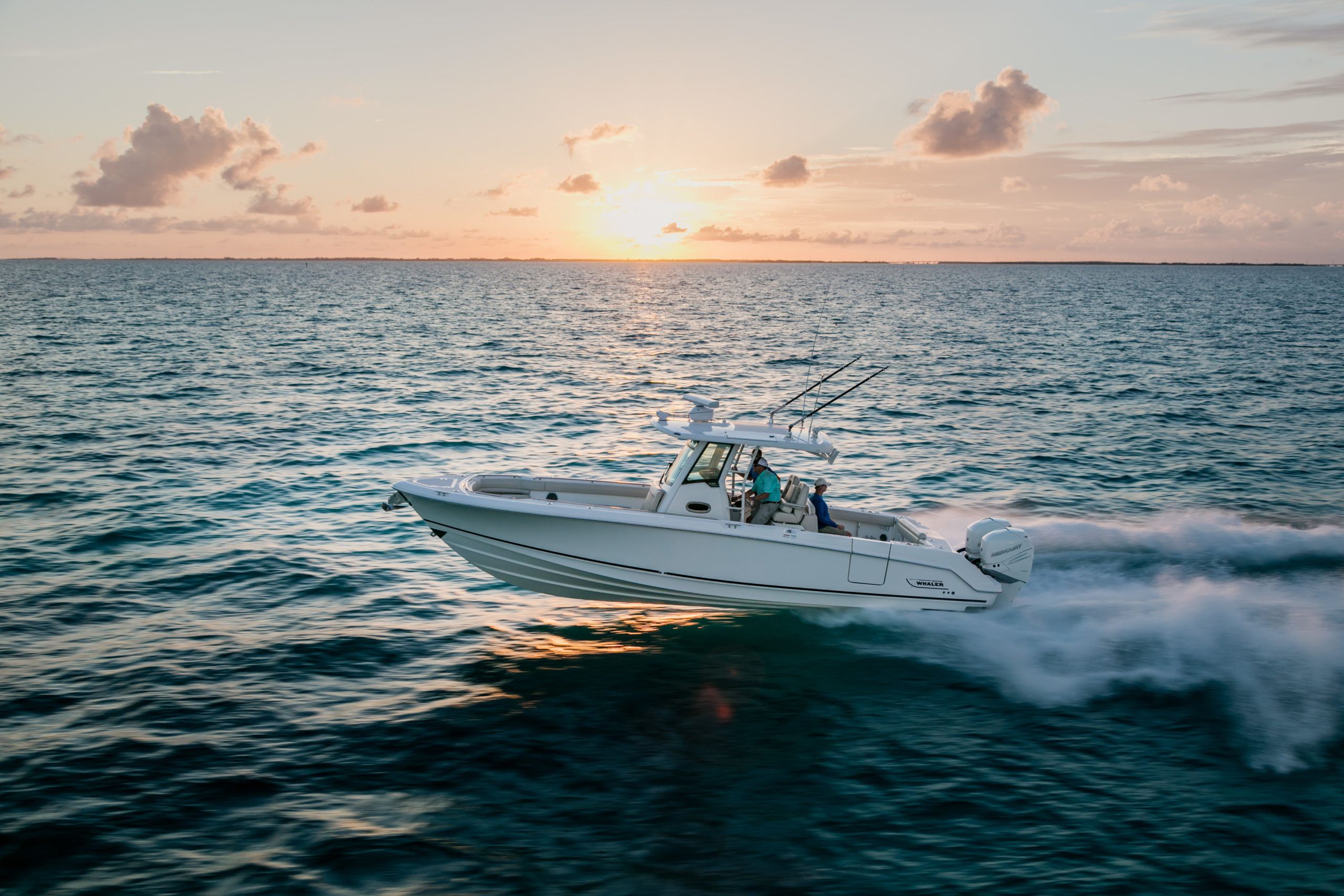
Boston Whaler Broker in Cabo San Lucas

Boston Whaler Broker in Cabo San Lucas

Boston Whaler Broker in Cabo San Lucas

Boston Whaler brokers in Cabo and La Paz baja California Sur.

Tag Cabo Sportfishing is proud to announce its recent appointment as the Boston Whaler broker and representative in Los Cabos and La Paz, Mexico. This appointment signifies a significant milestone in the company’s journey and further cements its commitment to providing top-notch fishing experiences to customers in the region.

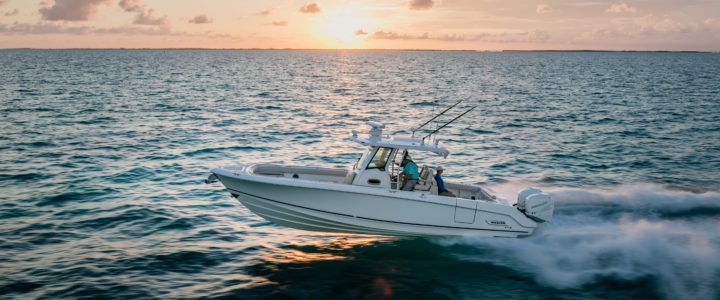
Boston Whaler, a leading manufacturer of boats and marine equipment, is known for its exceptional quality, durability, and safety. The company has a long-standing reputation for building boats that are designed to withstand the toughest conditions, making them ideal for fishing, diving, and other water activities. As the Boston Whaler broker and representative in Los Cabos and La Paz, Tag Cabo Sportfishing will now have access to the latest models and technologies from this world-renowned brand.

At Tag Cabo Sportfishing, we are committed to offering our customers the best possible fishing experiences. Our team of experienced guides, knowledgeable captains, and dedicated support staff are all dedicated to ensuring that our customers have a safe, enjoyable, and successful time on the water. With the addition of Boston Whaler boats, we are now able to provide even more reliable and comfortable fishing platforms, allowing our customers to focus on the experience and not on the equipment.

In addition to providing the latest boats and equipment, Tag Cabo Sportfishing will also offer comprehensive sales and support services as a Boston Whaler broker In Cabo and La Paz. Our team will work closely with customers to help them choose the right Boston Whaler boat to meet their needs, and we will be on hand to provide ongoing support and assistance throughout the ownership experience.

The heart of a boat lies in its components. At TAG Cabo Sportfishing, our deep-rooted connections in the marine industry allow us access to genuine boat parts, ensuring the authenticity and longevity of your vessel. Coupled with our team of mechanical engineers, we promise maintenance and repairs that not only uphold but often enhance your boat’s value. Whether it’s a brand-new yacht or a used boat you’re looking to rejuvenate, our expertise ensures it remains or even evolves into a top-tier vessel.

In essence, TAG Cabo Sportfishing isn’t just a service; it’s a promise – a promise of unparalleled quality, unmatched expertise, and a boating experience that’s smooth sailing from start to finish. Dive into a world where your boat isn’t just a possession; it’s a legacy. Welcome to the TAG Cabo Sportfishing family.

🔹 Connect with Us Today and embark on a journey where every wave is a story, every horizon a new adventure. Let’s craft your boating legacy together. 🔹

If you’re interested in buying a brand new Boston Whaler in Los Cabos or La Paz Baja California Sur area, the best way to get in touch with us at Tag Cabo Sportfishing is by giving us a call or sending us an email at. Our knowledgeable and friendly sales team will be more than happy to assist you in finding the perfect Boston Whaler to meet your needs and answer any questions you may have about the buying process. You can reach us by phone at 52 624 168 9544 , or by email at tagsportfishing@gmail.com . Our office hours are from 9am to 9pm, but if you reach us outside of these hours, please leave a message and one of our team members will get back to you as soon as possible.

Striped Marlin Reproduction Cycle

Striped Marlin Reproduction Cycle

Striped Marlin Reproduction Cycle

The spawning cycle for striped marlin, also known as Kajiki marlin, is known to occur year-round in tropical and subtropical waters, but it peaks during the warmer months. They migrate long distances to reach their spawning grounds, which are typically near the surface of the water and in areas with high productivity. During the spawning process, females release a large number of eggs and males release sperm, which fertilize the eggs. The eggs then develop into larvae and eventually mature into adults. The specific timing of the spawning cycle can vary depending on location and other environmental factors. Some studies suggest that the striped marlin population in the Eastern Pacific has a clear seasonal pattern, with peak spawning during the months of June to September.

Striped marlin (Kajiki marlin) reaches sexual maturity at a relatively young age. Females reach maturity at 3-4 years old, while males reach maturity at 2-3 years old. This means that they are able to reproduce at these ages. However, the size of the fish also plays a role in their ability to reproduce. They can grow to be quite large, reaching up to 4 meters in length and weighing up to 400 kg. It’s also worth noting that the age of maturity and size at maturity can be influenced by different factors such as genetics, food availability and environmental conditions.
 
Releasing striped marlins is important because it helps to maintain the overall health and sustainability of the marlin population. Overfishing and catching large numbers of marlins can lead to a decline in their numbers and can negatively impact the ecosystem. Additionally, releasing marlins that are caught and then released unharmed, also allows them to continue to breed and contribute to the population.

Striped Marlin Reproduction Cycle

Cabo San Lucas is considered one of the best places to catch striped marlins because it offers some of the most favorable conditions for marlin fishing. The area is known for its clear waters, which make it easy to spot marlins, and its location at the tip of the Baja Peninsula, where the Pacific Ocean and the Sea of Cortez meet, provides a rich and diverse marine ecosystem that supports a wide variety of fish, including marlins. Additionally, the warm water currents and the local fishing industry that support the marlin fishing in Cabo San Lucas, make it an ideal location for both recreational and professional anglers.

Reaching out to a reputable sportfishing charter company such as Tag Cabo Sportfishing can increase your chances of catching a striped marlin because they have the experience, knowledge, and equipment necessary to successfully locate and catch marlins. A professional fishing charter company like Tag Cabo Sportfishing will have access to the best fishing spots and will know the most effective techniques for catching marlins in the area. They will also provide you with all the necessary equipment, including high-quality fishing rods, reels, and bait, as well as safety gear. Furthermore, Tag Cabo Sportfishing is committed to sustainable fishing practices, which includes tagging the marlins to ensure the conservation of the species.

For more information about fishing for striped marlins in Cabo San Lucas reach out to us at tagsportfishing@gmail.com or click on the link Marlin fishing in cabo San Lucas 


7 Techniques for fly fishing in Cabo San Lucas

7 Techniques for fly fishing in Cabo San Lucas

7 Techniques for fly fishing in Cabo San Lucas


7 Techniques for fly fishing in Cabo San Lucas

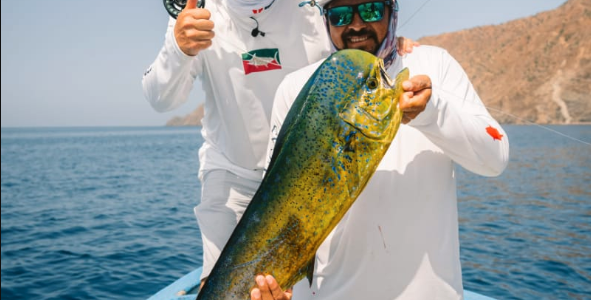
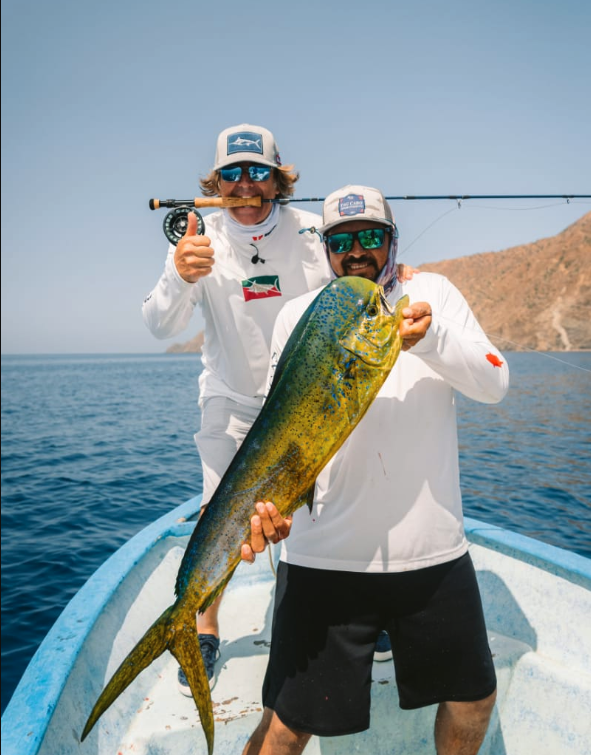
Fly fishing has been growing in popularity in Cabo San Lucas over the last few years as anglers look for new and challenging ways to catch a variety of species. The clear, warm waters of the Gulf of California and the Pacific Ocean offer a wide range of fish species that can be caught with a fly rod, including Tarpon, Snook, Dorado, Marlin, Roosterfish, and Jack Crevalle.

The variety of species and the challenging nature of fly fishing make it a popular choice for experienced anglers. The combination of clear blue waters, rugged landscapes and the variety of species to catch make Cabo San Lucas a perfect destination for fly fishing.

Fly fishing charters are widely available in Cabo San Lucas, providing anglers with access to experienced guides, top-quality equipment, and prime fishing locations. Additionally, the local sportfishing community is very welcoming of fly fishermen and many local guides are knowledgeable in fly fishing techniques and can provide valuable tips and information to help make your trip a success.

Overall, fly fishing in Cabo San Lucas has become a very popular activity among anglers looking for a new and challenging way to catch a wide variety of species in one of the most beautiful locations in the world.


  1. Dorado: Flies that mimic the appearance of small baitfish such as minnows or sardines can be effective for catching dorado.

      2.Marlin: Flies that mimic the appearance of larger baitfish such as ballyhoo or mackerel can be effective for catching marlin.

      3.Roosterfish: Flies that mimic the appearance of small baitfish such as mullet or caballito can be effective for catching roosterfish.

      4.Jack Crevalle: Flies that mimic the appearance of sardines or other small baitfish can be effective for catching Jack Crevalle

      5.Snapper: Flies that mimic the appearance of small baitfish such as squid or anchovies can be effective for catching snapper.

      6.Striped Marlin: Flies that mimic the appearance of mackerel or other small baitfish can be effective for catching striped marlin

      7.Sailfish: Flies that mimic the appearance of small baitfish such as squid or anchovies can be effective for catching sailfish.

It’s important to note that the best flies to use can vary depending on the time of year and the water conditions. It’s recommended to consult with local fishing guides or Cabo San Lucas fly fishing experts for the most up-to-date information and the best flies to use for the current conditions.

To book a guided fishing trip in Cabo San lucas email us at tagsportfishing@gmail.com


10 Techniques to catch roosterfish

10 Techniques to catch roosterfish

10 Techniques to catch roosterfish

10 Techniques to catch roosterfish

  1. Trolling with lures: Roosterfish are known to be aggressive predators, so using lures that mimic their natural prey can be effective.
  2. Live bait fishing: Live bait, such as caballito or mullet, can be used to target roosterfish.
  3. Jigging: Jigging with heavy metal jigs can be a good technique for catching roosterfish in deeper waters.
  4. Drift fishing: Drift fishing with live bait or lures can be an effective way to cover a large area and find roosterfish.
  5. Popping: Popping with large surface lures can be effective for catching roosterfish that are feeding on the surface.
  6. Fly fishing: Fly fishing with streamers or poppers can be an effective technique for catching roosterfish in shallow waters.
  7. Kite fishing: Kite fishing is a technique in which a kite is used to pull a bait or lure through the water, which can be an effective way to target roosterfish.
  8. Chumming: Chumming with sardines or other fish can be an effective way to attract roosterfish to the area.
  9. Trolling with dead bait: Trolling with dead bait, such as bonito or mackerel, can be a good technique for catching roosterfish in deeper waters.
  10. Bait casting: Bait casting with heavy tackle can be an effective way to catch larger roosterfish.

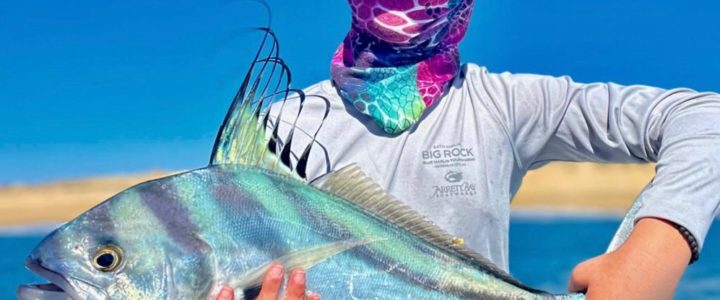
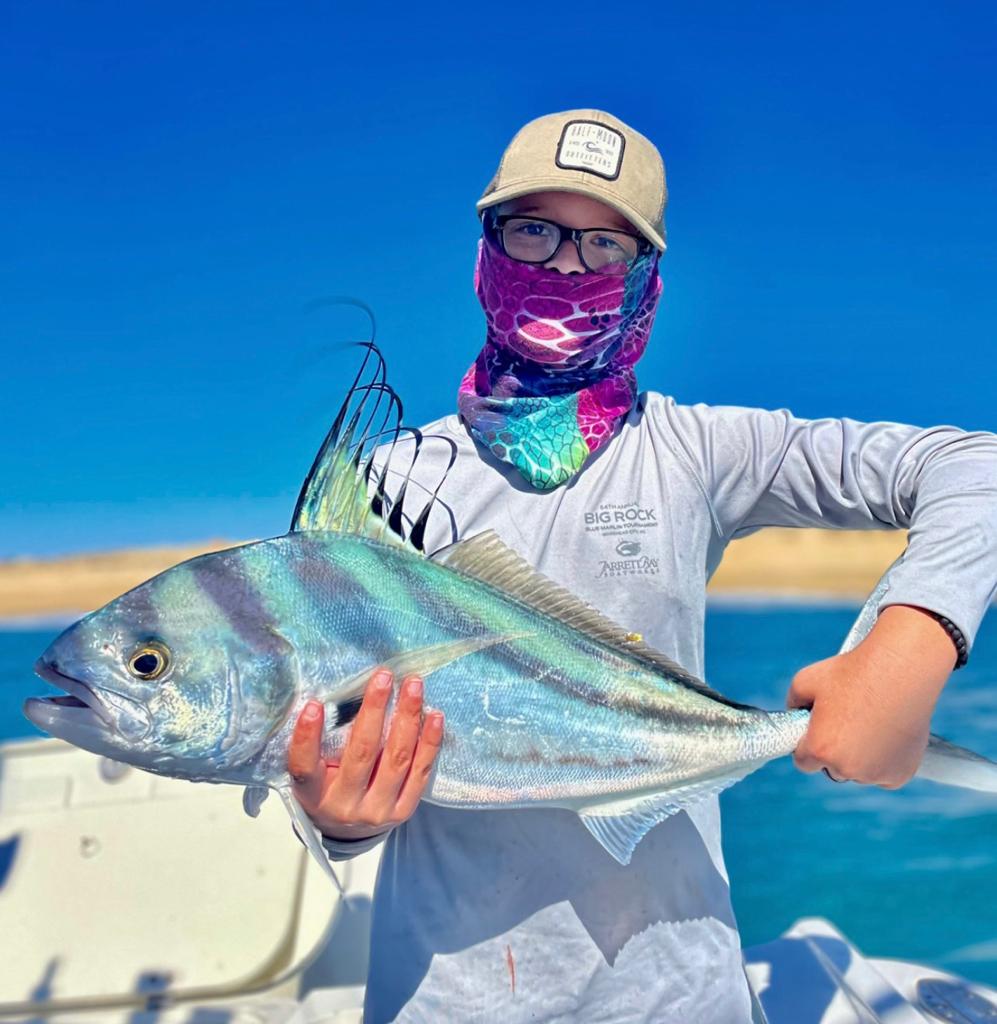
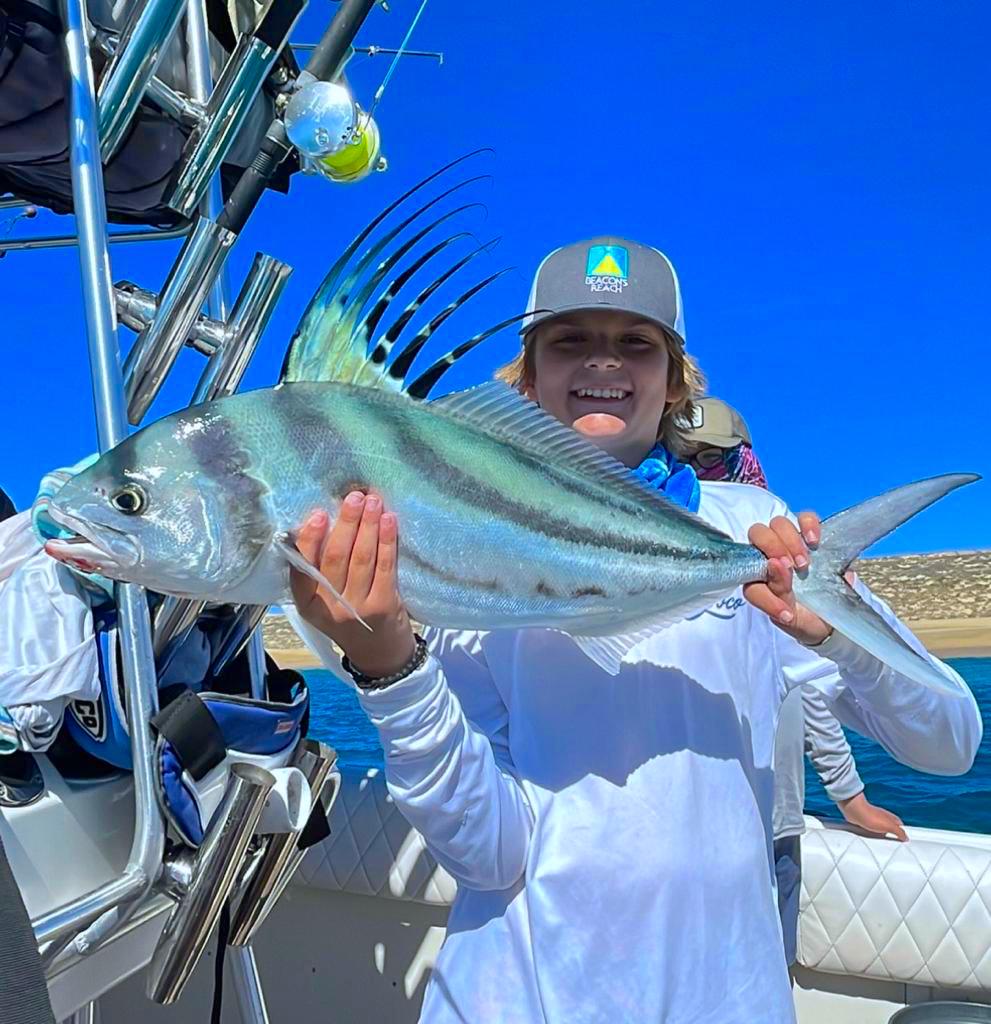
Roosterfish are typically found in the waters off the coast of Baja California, Mexico and Central America, particularly in the Gulf of California and around the tip of the Baja Peninsula. Some of the best areas to find roosterfish include:

  1. Cabo San Lucas: This popular tourist destination is known for its excellent roosterfish fishing, particularly during the summer months.
  2. La Paz: Located on the Sea of Cortez, La Paz is known for its large roosterfish population and is a popular destination for sportfishers.
  3. Loreto: This small town on the Sea of Cortez is known for its excellent roosterfish fishing and is a popular destination for fly fishing.
  4. San Jose del Cabo: Located at the southern tip of the Baja Peninsula, San Jose del Cabo is known for its large roosterfish population and is a popular destination for sportfishers.
  5. Guatemala: The pacific coast of Guatemala is also known to have good population of roosterfish and is an emerging destination for sportfishers.
  6. Costa Rica: The Pacific coast of Costa Rica is known for having good population of roosterfish and is a popular destination for sportfishers.

10 Techniques to catch roosterfish

It’s important to note that the best areas and times to find roosterfish can vary depending on factors such as water temperature, tides, and the presence of baitfish. It’s recommended to consult with local fishing guides for the most up-to-date information.

For information about a Roosterfish guided trip in Cabo San Lucas reach out to us via email at tagsportfishing@gmail.com or click on the link to fill out our contact form. Roosterfish in Cabo San lucas